Heat pumps are not silent, and they are not meant to be. A gentle hum, the whoosh of air, the odd click, these are all part of normal operation. But every so often a heat pump makes a sound that is new, loud or just plain wrong, and then the question becomes whether it is harmless or a sign something needs attention. Learning to read the sounds your heat pump makes tells you when to relax and when to pick up the phone. Here is what the different noises mean.
Many heat pump sounds are completely normal, including a low hum, the whoosh of airflow, occasional clicks when it starts and stops, and gurgling or hissing from the refrigerant. Sounds that signal a problem are the new, loud or harsh ones, grinding, screeching, loud rattling, banging or persistent clunking, which point to a worn or loose part. If a sound is sudden, loud or getting worse, turn the unit off and have it checked.
Here is how to tell a normal noise from a warning sign.
Plenty of heat pump noises are just the sound of the machine doing its job, and recognising them saves needless worry. A quiet, steady hum or whir is the normal sound of the fan and compressor running. The whoosh of air through the indoor unit is simply airflow. Occasional clicking is normal as the unit switches on and off or changes modes. A gurgling, bubbling or soft hissing sound is usually the refrigerant moving through the system, which is completely normal. And in winter you may hear the unit change note or pause during a defrost cycle, which is also expected. If a sound is quiet, steady and has always been there, it is almost certainly just normal operation.
The noises worth paying attention to are the new, harsh or loud ones, because they usually mean a part is worn, loose or failing.
| Sound | Likely meaning |
| Grinding | Worn motor bearings, a part needing attention |
| Screeching or squealing | A worn fan motor or belt issue |
| Loud rattling | Something loose, debris in the unit, or loose panels |
| Banging or clanking | A loose or broken part inside, often the compressor or fan |
| Persistent clicking | An electrical or relay fault, beyond the normal start-up click |
| Buzzing | An electrical issue or loose component |
The common thread is that these are not the gentle, familiar sounds of normal running. They are harsher, louder, and usually new, and that change is the real signal that something needs looking at.
If you are unsure which category a sound falls into, a few simple questions usually settle it. Is the sound new, or has it always been there? A long-standing hum is almost certainly normal, while a brand-new grinding is not. Is it getting louder or more frequent over time? A worsening noise points to a developing fault. Is it harsh and mechanical, grinding, banging, screeching, rather than soft and steady? Harsh mechanical sounds are the worrying ones. And is the heat pump still working properly, or is the noise accompanied by weaker heating or cooling? A noise plus a drop in performance is a clearer sign of trouble. New, worsening, harsh, or paired with poor performance means it is worth investigating.
Before calling anyone, a couple of simple checks can resolve the more innocent noises. A rattling sound is often just something loose or debris, so check that the unit’s panels and cover are secure and that nothing like leaves, twigs or garden debris has got into the outdoor unit, clearing anything you find. A dirty, clogged filter can also make the unit work harder and sound strained, so clean the filters, a five-minute job covered in our maintenance guide. If a simple rattle stops once panels are secured and debris is cleared, you have solved it. But do not attempt to open up the unit or investigate internal mechanical noises yourself, as those need a technician.
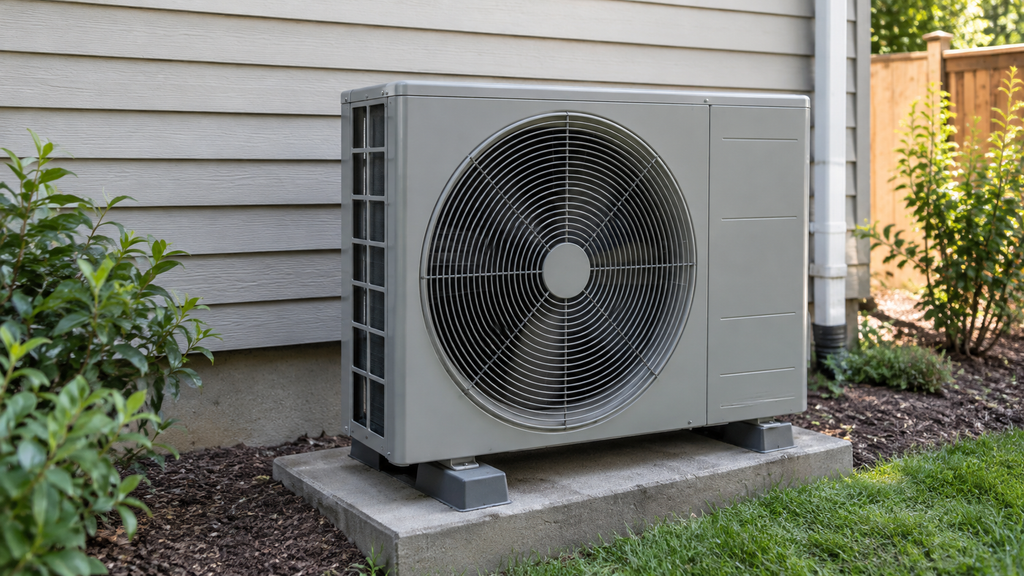
Some sounds are a clear signal to stop and get help rather than wait and see. If you hear grinding, screeching, loud banging or clanking, if a buzzing or persistent clicking suggests an electrical fault, or if any noise is sudden, loud, or steadily getting worse, it is time to call a professional, and with the harsher mechanical and electrical sounds it is wise to turn the unit off until it can be checked, to avoid further damage. A professional service can diagnose the sound, tighten or replace the worn or loose part, and catch a small issue before it becomes an expensive breakdown. If the noise comes with weak heating, our guide to a heat pump not heating may help too, and if the unit is old and increasingly noisy, it may be nearing the point where comparing newer, quieter models makes sense.
Your heat pump’s sounds are a useful early-warning system once you know how to read them. The gentle, familiar noises are nothing to worry about, but a new, harsh or worsening sound is worth acting on quickly, before a small fault becomes a big repair.
Varcoe has installed and serviced heat pumps across Auckland since 1975, so we know what every sound means and how to fix the ones that matter. If your heat pump is making a noise that worries you, get in touch, call us on 0800 088 888, or email info@varcoe.co.nz.
Yes. A low steady hum, the whoosh of airflow, occasional clicks when it starts, stops or changes mode, and gurgling or soft hissing from the refrigerant are all normal. Quiet, steady sounds that have always been there are almost certainly just normal operation.
New, loud or harsh sounds: grinding, screeching, loud rattling, banging or clanking, persistent clicking, or buzzing. These usually mean a part is worn, loose or failing, especially if the sound is new, getting worse, or paired with weaker heating or cooling.
A sudden loud noise often means something has come loose, debris has got into the unit, or a part is beginning to fail. Check that panels are secure and clear any debris from the outdoor unit, but if a harsh grinding, banging or screeching persists, turn it off and have it checked.
Rattling is often something loose or debris in the unit, so check the panels and cover are secure and clear any leaves or twigs from the outdoor unit. A clogged filter can also make it sound strained. If securing panels and clearing debris does not stop it, have it looked at.
For harsh mechanical or electrical sounds, grinding, banging, screeching, buzzing or persistent clicking, yes, turn it off and have it checked, to avoid further damage. For normal hums, clicks and airflow sounds, there is no need.
When you hear grinding, screeching, banging or clanking, when a buzz or persistent click suggests an electrical fault, or when any noise is sudden, loud or getting worse. A technician can diagnose and fix the cause before it becomes a bigger, costlier problem.
We know what every sound means and how to fix the ones that matter, serving Auckland since 1975.