Your heat pump works hardest exactly when you need it most, through a cold, damp Auckland winter and the muggy stretch of summer. Yet the single most important maintenance job is one almost anyone can do in fifteen minutes, with no tools and no callout fee: cleaning the filters.
Clogged filters are behind a surprising number of “my heat pump isn’t working properly” complaints. When dust, pet hair and airborne grime build up on the mesh, your unit has to drag air through a blanket of fluff. It heats more slowly, runs longer, costs more to operate, and circulates dustier air around your home. The good news is that a regular clean reverses all of that. Here’s exactly how to do it safely, how often, and when it’s worth calling in a technician instead.
The filters inside the indoor unit (the wall-mounted “head”) are the first line of defence for the whole system. They catch dust before it reaches the delicate heat-exchange coil behind them. When they’re clean, air flows freely and your heat pump delivers warm or cool air efficiently. When they’re choked, three things happen.
First, output drops. A blocked filter starves the indoor coil of airflow, so the room takes longer to reach temperature. Second, your power bill climbs. The unit compensates for poor airflow by running longer and harder, which is one of the easiest ways to quietly inflate your energy costs. If you care about keeping bills down, clean filters are one of the cheapest wins available, far cheaper than the upgrades discussed in our guide to reducing energy costs with heat pumps. Third, air quality suffers. A grimy filter can become a home for mould and bacteria, and in a humid climate like Auckland’s that can mean musty smells and irritated airways.
Manufacturers like Mitsubishi Electric and Daikin design their filters to be removed and washed by the homeowner precisely because this job is meant to be routine. Skipping it for a year or two is the fastest way to turn a reliable appliance into an underperforming one.
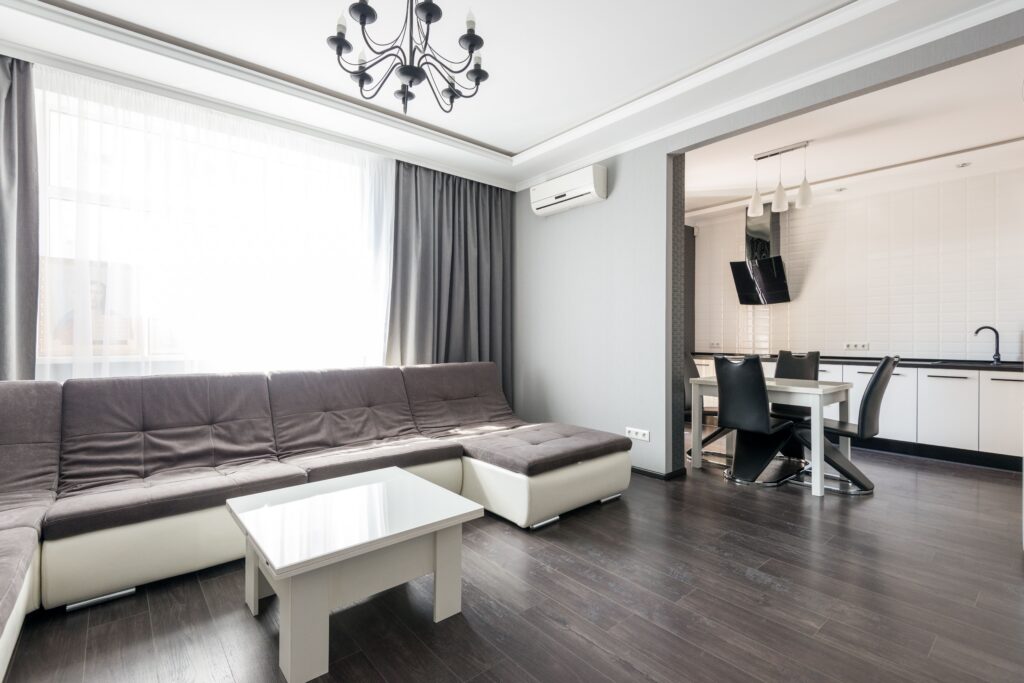
You don’t need much:
That’s it. No chemicals, no special equipment.
1. Turn the unit off completely. Switch it off at the remote, then ideally at the wall socket or isolating switch. You never want the fan spinning while your hands are inside the unit, and powering down also lets any internal moisture settle.
2. Open the front panel. Most indoor units have a hinged front cover that lifts upward and clicks into place, holding itself open. Lift gently and evenly from both sides, there’s no need to force it. You’ll see the filters straight away: usually two flat mesh panels sitting across the front of the coil.
3. Release and slide out the filters. There’s normally a small tab at the top of each filter. Push it up slightly to unhook the filter, then slide it down and out towards you. Take note of which way around they sit so reassembly is easy.
4. Vacuum off the loose dust. Hold each filter over a rubbish bin and vacuum the surface with the brush attachment. This lifts off the bulk of the dry dust before it gets wet and turns to paste. For lightly used units in low-traffic rooms, a thorough vacuum may be all the filter needs.
5. Wash the filters. For a deeper clean, rinse each filter under lukewarm running water from the clean side through to the dusty side, so you push debris out rather than deeper in. If the mesh is greasy, common in kitchens and open-plan living areas, add a drop of mild detergent and wipe gently with a soft sponge. Never scrub hard; the fine mesh tears easily.
6. Keep the water cool. Use lukewarm water, never hot. Water above roughly 40°C can warp or shrink the plastic frame so the filter no longer seats correctly. Skip bleach, solvents and abrasive cleaners entirely.
7. Dry them completely. Shake off the excess and lay the filters flat on a towel in a shaded, well-ventilated spot. Do not dry them in direct sun or with a hairdryer heat distorts the frame. A damp filter put straight back in can breed mould, so make sure they’re bone dry, which usually takes an hour or two on a fine day.
8. Wipe the visible interior. While the filters dry, take a soft, slightly damp cloth and wipe the louvres and the front panel. Avoid poking anything into the coil or the spinning barrel fan, that’s where home maintenance ends and a professional service begins.
9. Reinsert and close up. Slide the dry filters back into their slots, hook the top tabs back into place, and lower the front cover until it clicks shut. Restore power, switch the unit on, and you’re done.
There’s no single rule, because it depends on how hard the unit runs and what’s in your air. As a practical guide:
A handy habit is to clean the filters at the start of each season, autumn before the heating ramps up, and spring before cooling season. Many newer units also flash a filter-cleaning reminder light; treat that as your prompt rather than a nuisance to reset.
Filter cleaning keeps the air moving, but it doesn’t touch the parts of the system that genuinely need a qualified technician: the indoor coil and drain, the outdoor unit, refrigerant levels, electrical components and the deep antibacterial clean of internal surfaces. Filters are the homeowner’s job; everything behind them is ours.
If your heat pump still struggles after a clean: weak airflow, odd smells that won’t shift, water dripping inside, or simply not getting warm, that’s a sign something deeper needs attention. A full heat pump service covers the components you can’t safely reach, and signing up for an annual heat pump service plan takes the remembering off your plate entirely. Most manufacturers also expect periodic professional servicing and maintenance to keep their warranty valid, so it pays to stay on top of it.
Cleaning your filters is the easiest, cheapest thing you can do to protect your investment, lower your power bill and breathe cleaner air. Make it a monthly habit and your unit will reward you with years of efficient, reliable service.
When it’s time for the deeper work that filters can’t reach, Varcoe has looked after Auckland homes since 1975, with licensed, manufacturer-certified technicians and a 12-month workmanship guarantee. Book a heat pump service or get a free quote today or call us on 0800 088 888 and we’ll keep your system in top condition.
For light dust, a thorough vacuum with a brush attachment is often enough. Washing is best when the mesh is visibly grey, greasy or smelly. As a rule, vacuum every clean and do a full wash every second or third time.
Usually one to two hours laid flat in a shaded, airy spot. Never reinstall a damp filter, trapped moisture encourages mould and musty odours. If in doubt, leave them overnight.
Yes. A clogged filter forces the unit to run longer and work harder to move air, which uses more electricity. Restoring free airflow lets it reach temperature faster and switch off sooner, trimming running costs noticeably over a season.
Filters can warp if washed in hot water or tear over years of use. Most are inexpensive to replace, and replacements are model-specific. Get in touch with our team or check our heat pump FAQ and we’ll help you source the correct part.
Cleaning filters yourself every few weeks is great, but it doesn’t replace a professional service. We recommend a full technician service once a year for a regularly used home unit more often for units that run constantly or in dusty or coastal environments.