It is the quiet argument in households all over Auckland. One person sets the heat pump to 28°C to warm the room faster, the other sneaks it back down to save power, and nobody is quite sure what the right number actually is. The truth is that the temperature you choose has a big effect on both your comfort and your power bill, and a lot of common habits are working against you.
The short answer is that for living areas, somewhere between 20°C and 21°C is the sweet spot for most homes. But the full picture is more interesting than a single number, because how you run your heat pump matters just as much as where you set the dial. Here is what the temperature settings really mean, why cranking it higher is a false economy, and how to dial in comfort without dreading the bill.
Health authorities, including the World Health Organisation, recommend a minimum indoor temperature of 18°C for a healthy home. That is the floor, not the target. At 18°C a room is warm enough to be healthy, but most people find it a little cool for relaxing in the evening.
For day-to-day comfort in living areas, 20°C to 21°C is the range most New Zealand households settle on. It feels genuinely warm, it keeps condensation and dampness at bay, and it does not push your running costs through the roof. Bedrooms are a different story. Cooler air is better for sleep, so 16°C to 18°C overnight is ideal for most people, which also happens to save energy while you are tucked under the blankets.
So as a simple guide:
This is the single biggest misunderstanding about heat pumps. Setting the unit to 28°C does not make it warm the room any quicker. A heat pump heats at the same rate regardless of the target temperature. All a sky-high setting does is tell the unit to keep running long after the room is comfortable, chasing a temperature you never actually wanted.
The result is a room that becomes uncomfortably hot and stuffy, and a compressor that runs far longer than it needs to. As a rough rule, every extra degree you ask for adds in the region of ten percent to your heating cost. Set it to 25°C when 21°C would do, and you could be paying noticeably more for the privilege of being too warm.
If lowering your bills is a priority, settling on a sensible temperature is one of the easiest wins available. For more ways to keep costs down, our guide to reducing energy costs with heat pumps is well worth a read.
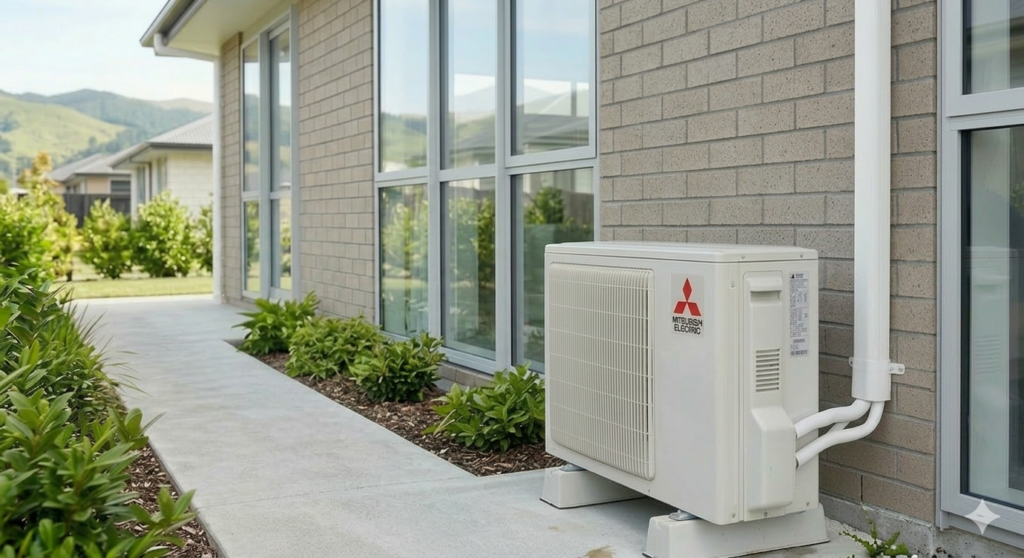
Modern heat pumps use inverter technology, which means they are at their best when run steadily rather than switched on and off. An inverter unit works a bit like a car cruising on the motorway. It puts in a big effort to get up to speed, then settles back and uses far less energy to maintain that speed. Once your room reaches the set temperature, the heat pump throttles right back and gently keeps it there, sipping power rather than gulping it.
This is why the blast-it-then-turn-it-off approach is usually a mistake for rooms you use for hours at a time. Constantly heating a cold room from scratch uses more energy than holding it at a steady, moderate temperature. For living areas you occupy all evening, pick a comfortable setting like 21°C and let the unit do its thing.
There is some nuance here. For a room you only pop into briefly, switching off when you leave still makes sense. But for the spaces where you spend real time, steady and moderate beats hot and intermittent almost every time.
Most of the wasted energy in heating comes down to running the heat pump when nobody needs it, or at a temperature nobody asked for. A few smart habits fix that.
Use the timer or scheduling function so the unit warms the living room shortly before you get home and eases off once you are in bed. If your system has app control, a WiFi controller lets you adjust the temperature from your phone, so you can switch the heating on during the commute home or turn it off if you forgot on the way out the door. Set bedrooms cooler than living areas, and resist the urge to override the unit every ten minutes, which only stops it from settling into its efficient cruising rhythm.
In summer the same logic applies in reverse. For cooling, aim for around 23°C to 25°C rather than chilling the house down to a frosty 18°C. Keeping the indoor temperature within about six to eight degrees of the outdoor temperature is both more comfortable and far kinder on your power bill.
Sometimes the problem is not your setting at all. If you have your heat pump at a sensible 21°C but the room never quite gets there on a cold night, the unit may simply be too small for the space. An undersized heat pump runs flat out and still falls short, which drives up costs and wears the system out faster.
If a single unit is straining to heat an open-plan living area or multiple rooms, it may be worth looking at a different approach. Our heat pump size calculator gives you a quick sense of the capacity your space needs, and for larger homes a properly designed multi-room heat pump system keeps every room at the right temperature without one overworked unit trying to do everything. Getting the installation and sizing right from the start is the foundation of comfortable, affordable heating.
Even the perfect temperature setting cannot save a neglected unit. Dirty filters and an unserviced system make your heat pump work harder to reach the same temperature, quietly pushing up your bills. Staying on top of basic care and booking an annual service plan keeps the unit running at peak efficiency, so the temperature you set is the temperature you get without wasted energy.
The ideal heat pump temperature is not about finding one magic number. It is about choosing a sensible setting, running the unit steadily, and making sure it is sized and maintained properly for your home. Do that, and you get a warm, comfortable house and a power bill you can live with.
Varcoe has helped Auckland homeowners get this balance right since 1975, with expert advice, certified installations and a 12-month workmanship guarantee. Talk to our team or book a free quote today, or call 0800 088 888, and we will make sure your heating is set up to keep you comfortable for less.
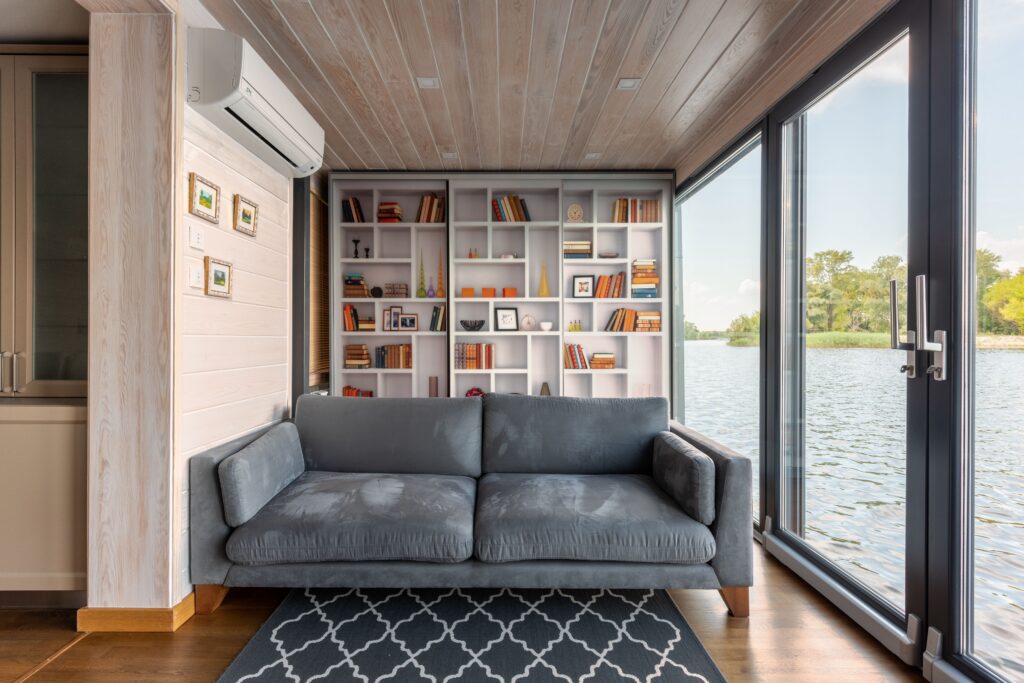
For heating, around 20°C to 21°C in living areas gives a good balance of comfort and cost. Every degree higher adds roughly ten percent to your running costs, so resist the temptation to go warmer than you need. For cooling in summer, aim for about 23°C to 25°C.
No. A heat pump heats at the same speed no matter what temperature you set. A very high setting only makes it run longer and overheat the room, wasting energy. Set it to the temperature you actually want and let it get there.
For rooms you use for hours at a time, leaving it at a steady, moderate temperature is usually more efficient than repeatedly heating a cold room from scratch. For rooms you only use briefly, switching it off when you leave makes sense. Timers and app control help you get the balance right.
Cooler air is better for sleep, so 16°C to 18°C in bedrooms is ideal for most people. This keeps the room healthy and comfortable while using less energy than a warmer living-area setting.
If a sensible setting is never reached, the unit may be undersized for the space, the filters may be clogged, or it may be due for a service. It is worth checking the sizing for your room and having the system inspected, as a struggling unit costs more to run and wears out sooner.