If you wake up to streaming windows, damp curtains and that faint musty smell in the air, you are not alone. Foggy glass is one of the most common complaints in Auckland homes, especially through the cooler, wetter months. It looks harmless enough, but that water on your windows is a warning sign of a much bigger issue: too much moisture trapped inside your house. Left unchecked, it leads to mould, rotting window frames and air that is genuinely bad for your health.
The good news is that the cause is easy to understand, and the fix is well within reach. A properly used heat pump is one of the most effective tools for drying out a damp home and keeping condensation at bay. Here is exactly why your windows fog up, what that moisture is doing to your home, and how the right heating approach turns a clammy house into a warm, dry and healthy one.
Condensation is simple physics. Warm air holds a lot of moisture, while cold air holds far less. When the warm, humid air inside your home drifts up against a cold window pane, the air right beside the glass cools rapidly. Once it cools past a point called the dew point, it can no longer hold all that water vapour, so the moisture is released onto the nearest cold surface. That surface is usually your single-glazed windows, which is why they fog and drip first thing in the morning.
Auckland’s mild but humid climate makes this worse. The air outside is often damp, and homes here are frequently under-ventilated and under-heated, which is the perfect recipe for condensation. The colder the glass and the more humid the indoor air, the heavier the fogging.
It is surprising how much water a household produces every day without realising it. Everyday living adds litres of moisture into the air:
A single family can release the equivalent of several litres of water into the indoor air over the course of a day. With nowhere to escape, that moisture settles on the coldest surfaces and soaks into soft furnishings, carpets and walls.
Wiping the windows each morning treats the symptom, not the cause, and the underlying dampness does real damage. Persistent moisture encourages black mould to grow on walls, ceilings, window reveals and behind furniture. It rots timber window frames and sills over time. It feeds dust mites, which thrive in humid conditions and are a major trigger for asthma and allergies.
Most importantly, damp homes are unhealthy homes. Cold, moist air is linked to respiratory illness, and it hits children and older people hardest. This is exactly why New Zealand introduced the Healthy Homes standards, which set minimum requirements for heating, ventilation and moisture control in rental properties. If you are a landlord, our guide to Healthy Homes compliance explains what is required and how the right heating helps you meet it.
A heat pump tackles condensation on two fronts at once, which is what makes it so effective compared with old plug-in heaters.
It warms the air and the surfaces. When you run a heat pump steadily, it lifts the temperature of the whole room, including the windows, walls and floors. Warmer air holds more moisture without releasing it, and warmer glass is far less likely to reach the dew point. Together, that means far less water condensing on your windows.
It heats without adding moisture. Unlike unflued gas heaters, which release water vapour as a by-product of burning, a heat pump produces completely dry heat. It moves warmth from outside to inside without introducing any moisture of its own. Swapping a gas heater for a heat pump can dramatically reduce the dampness in a home on its own.
The result is a home that feels warmer at a lower setting, with windows that stay clear and air that feels fresh rather than clammy.
Most modern heat pumps include a dedicated dry or dehumidify mode, usually shown by a water-drop symbol on the remote. In this mode, the unit works a little like a dehumidifier. It runs the indoor coil cold so that moisture in the air condenses onto it, then drains that water outside through the condensate line, all while circulating air gently around the room.
Dry mode is brilliant for those muggy, in-between days when you do not need much heating but the air feels heavy and damp. It is also useful after a day of indoor laundry or a steamy round of cooking. Running it for an hour or two can noticeably lift the clamminess out of a room. Because it does not pump out strong heat, it is also an efficient way to manage humidity without overheating the space.
A heat pump is a powerful weapon against condensation, but it works best as part of a wider approach. Moisture still needs a way to leave the house, which is where ventilation comes in. Combining good heating with proper airflow is the gold standard for a dry home.
For homes that battle serious dampness, a dedicated moisture and ventilation solution makes a real difference. Our ventilation and moisture control options work alongside your heating to actively manage humidity, while a whole-home ventilation system brings in fresh, filtered air and pushes stale, moist air out. Pairing the two means you are not just masking the problem but genuinely removing the moisture from your home.
You can help things along with simple daily habits too. Open curtains during the day so sunlight can warm and dry the glass, use extractor fans in the kitchen and bathroom, put lids on pots while cooking, dry washing outside whenever the weather allows, and crack a window for a few minutes a day to let stale air escape.
A heat pump can only dry your home if it is running efficiently, and a clogged or neglected unit struggles to do its job. Keeping the filters clean and booking a regular heat pump service ensures the system keeps managing moisture and heat the way it should, season after season.
Foggy windows are your home telling you it is too damp, and reaching for a cloth every morning only hides the problem. The lasting fix is warm, dry air, and a well-chosen heat pump delivers exactly that while keeping your power bills sensible.
Varcoe has been keeping Auckland homes warm and dry since 1975, with licensed technicians, certified installations and a 12-month workmanship guarantee. Get a free assessment and quote today, or call us on 0800 088 888, and we will help you turn a damp, foggy house into a healthy, comfortable home.
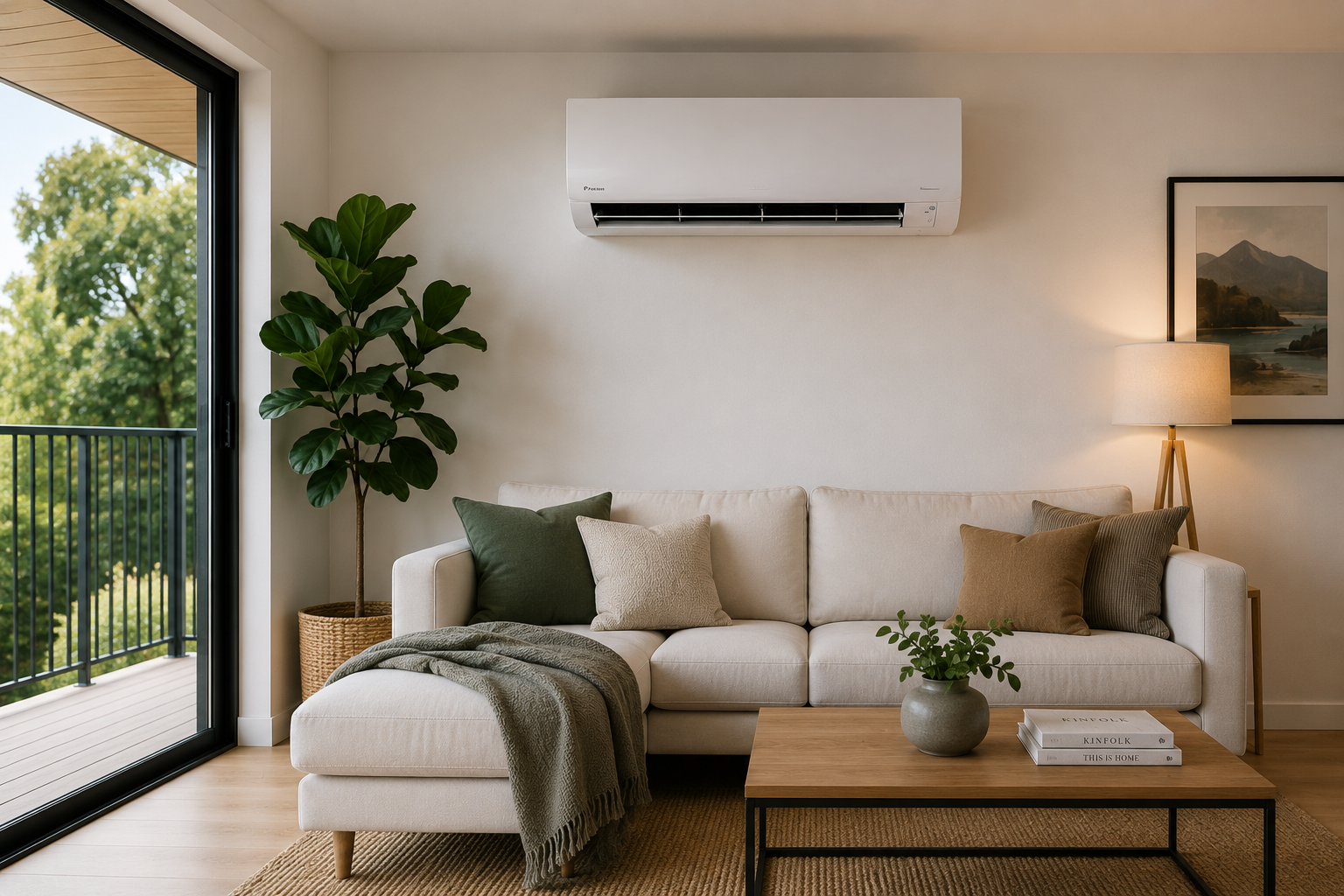
A heat pump greatly reduces condensation by warming the room, the glass and the air, and by adding dry heat rather than moisture. It will not always eliminate it entirely on its own, especially in very damp homes, which is why pairing it with good ventilation and daily moisture habits gives the best results.
Use heat mode when you want warmth and a drier room together through winter. Use dry mode on mild, muggy days when the air feels heavy but you do not need much heating. Many people run dry mode after cooking, showering or drying laundry indoors to pull the excess moisture out.
A heat pump in dry mode is generally an efficient way to manage humidity because it handles heating and moisture at the same time. A standalone dehumidifier only removes moisture and adds nothing toward heating, so for most homes a heat pump is the more versatile and cost-effective choice.
Common reasons include running the unit only in short bursts rather than steadily, dirty filters reducing performance, too little ventilation, or simply producing a lot of indoor moisture from gas heaters and indoor laundry. A service check and a ventilation upgrade often solve a persistent damp problem.
Yes. A correctly sized heat pump is a popular way to meet the heating requirement under the Healthy Homes standards, and it also helps with moisture control. Speak to our team about an installation that satisfies the rules and keeps your tenants warm and healthy.