
When summer temperatures rise, air conditioning becomes essential for keeping homes comfortable. Many households across New Zealand rely on heat pumps and air conditioning systems to maintain a pleasant indoor environment during warmer months. However, one question comes up frequently: what is the best temperature to set your air conditioner in summer?
Setting the right temperature is important for several reasons. It affects your comfort, your electricity bill, and how efficiently your air conditioning system operates. A temperature that is too low can cause unnecessary energy use and higher costs, while a setting that is too high may leave your home feeling warm and uncomfortable.
Understanding how air conditioning systems work and how temperature settings influence performance can help you find the right balance between comfort and efficiency.
Most experts recommend setting your air conditioner between 22°C and 24°C during summer.
This temperature range typically provides a comfortable indoor environment while allowing the system to operate efficiently. It keeps indoor temperatures noticeably cooler than outside conditions without forcing the air conditioner to work harder than necessary.
Air conditioning systems are designed to maintain a consistent indoor climate. When you set the thermostat to a reasonable level, the system can reach the target temperature quickly and then adjust its power output to maintain it.
A moderate temperature setting helps:
In many homes, 23°C or 24°C offers a comfortable balance between cooling and efficiency.
When people feel hot, it can be tempting to set the air conditioner very low, sometimes around 18°C or 19°C. However, this approach usually does not cool the home faster.
Air conditioners cool rooms at a consistent rate. Lowering the thermostat dramatically does not make the system cool the space faster. Instead, it simply forces the system to run for longer periods.
When the thermostat is set too low:
In many cases, setting the thermostat extremely low can increase running costs without significantly improving comfort.

While the general recommendation is 22–24°C, the ideal setting can vary slightly depending on several factors within your home.
The difference between indoor and outdoor temperatures can affect how hard your air conditioning system must work.
For example, if the outside temperature is 30°C, setting the thermostat to 23°C creates a comfortable difference without overworking the system. However, setting the thermostat to 18°C would require significantly more energy.
Maintaining a moderate temperature difference helps the system operate more efficiently.
Humidity can affect how warm a room feels. On humid days, the air can feel warmer even if the temperature is not extremely high.
Air conditioners help remove moisture from indoor air, which improves comfort. This means a room set to 23°C may feel cooler and more comfortable once humidity is reduced.
The way your home retains cool air also influences the ideal temperature setting.
Homes with good insulation, sealed windows, and curtains or blinds often stay cooler for longer periods. In these homes, maintaining a comfortable temperature requires less energy.
In homes with poor insulation or large sun-facing windows, the system may need to work harder to maintain cooler temperatures.
You may not need the same temperature setting all day long. Adjusting the thermostat based on your daily routine can help improve efficiency.
When people are actively using living spaces, a temperature around 23–24°C is often comfortable for most households.
This provides cooling without making the space feel too cold.
Many people prefer slightly cooler temperatures at night. Setting the thermostat to around 22°C or 23°C can help create a comfortable sleeping environment.
Some systems include sleep modes that gradually adjust temperatures overnight.
If nobody is home during the day, the air conditioner does not need to run continuously.
You can:
Smart thermostats and programmable systems make it easy to control cooling schedules automatically.
Setting the correct temperature is an important step, but it is not the only factor that affects how efficiently your air conditioning system operates. A few simple habits around the home can help your system work more effectively while keeping electricity use under control.
Direct sunlight entering through windows can quickly increase the temperature inside a room. When sunlight heats floors, furniture, and walls, the air conditioner has to work harder to bring the temperature back down.
Closing curtains or blinds during the hottest parts of the day can significantly reduce indoor heat gain. This helps the system maintain cooler temperatures with less effort.
When air conditioning is running, open doors or windows allow cool air to escape while warm air enters the room. This forces the system to run longer to maintain the desired temperature.
Keeping rooms sealed while cooling is operating helps maintain stable indoor conditions and reduces unnecessary energy use.
Air conditioner filters naturally collect dust, pollen, and other particles from the air. Over time, this buildup can restrict airflow and make the system work harder than it should.
Cleaning or replacing filters regularly improves airflow, supports better cooling performance, and helps maintain good indoor air quality. Regular air conditioning servicing can also ensure the system continues operating efficiently.
Ceiling fans or portable fans can help move cool air more evenly around a room. Better air circulation allows the air conditioner to maintain comfort without needing to lower the thermostat too much.
In many cases, using a fan alongside air conditioning allows homeowners to set the temperature slightly higher while still feeling cool and comfortable.
The type of air conditioning system installed in your home also influences efficiency and comfort.
Split systems are commonly used to cool individual rooms or open-plan living areas. They provide efficient cooling and allow homeowners to control temperatures in specific spaces.
Many homes use these systems for living rooms, bedrooms, or home offices.
For homes that need cooling across several rooms, multi-room air conditioning systems can be an effective option. These systems connect multiple indoor units to a single outdoor unit, allowing independent temperature control in different areas of the home.
Larger homes may use ducted whole-home air conditioning, which distributes cool air through vents across multiple rooms. These systems can provide consistent cooling throughout the house when properly designed and installed.
Choosing the right system size and layout helps ensure efficient operation and consistent comfort.
Correct installation plays a major role in air conditioning performance.
A properly installed system will:
Poorly sized or poorly installed systems may struggle to reach the desired temperature or may consume more electricity than necessary.
Professional air conditioning installation helps ensure the system operates efficiently and delivers reliable comfort.
The best air conditioning temperature is ultimately about balance. A comfortable home should not require excessive energy use.
For most New Zealand households, setting the thermostat between 22°C and 24°C offers the best combination of comfort, efficiency, and reasonable running costs.
Small adjustments such as improving insulation, closing blinds during the day, and maintaining your system can also make a noticeable difference.
Setting the correct air conditioner temperature during summer helps keep your home comfortable while managing electricity use. Most experts recommend maintaining indoor temperatures between 22°C and 24°C, which provides effective cooling without forcing the system to work harder than necessary.
By combining sensible thermostat settings with good habits such as closing curtains, maintaining filters, and using timers, homeowners can enjoy reliable cooling while keeping energy consumption under control.
If you are considering upgrading or installing a new system, choosing the right air conditioning solution for your home can make a significant difference in comfort and efficiency.
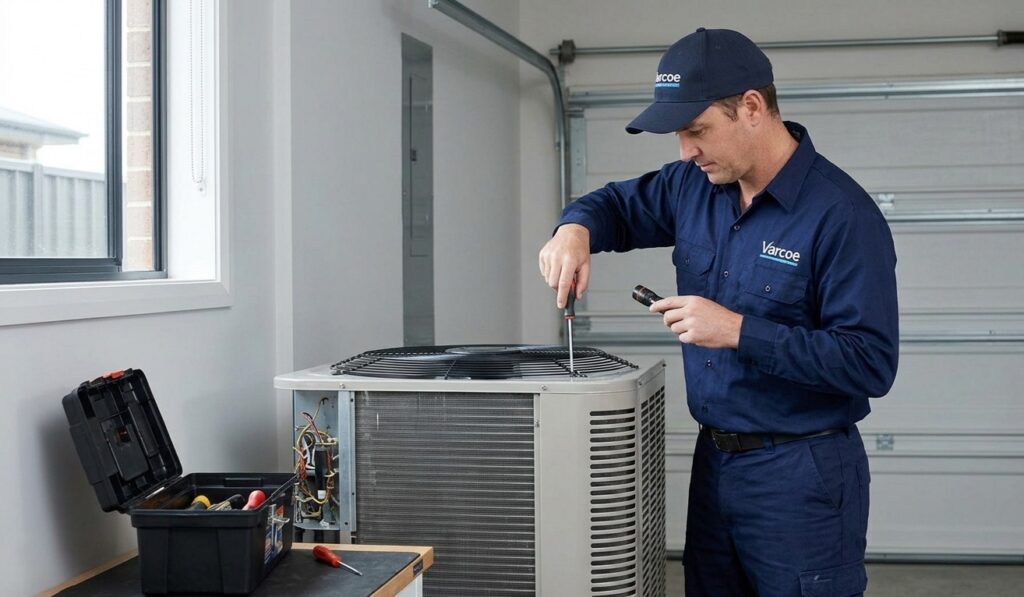
Most experts recommend setting air conditioning between 22°C and 24°C for comfortable and efficient cooling.
No. Air conditioners cool at a consistent rate. Lowering the thermostat simply causes the system to run longer.
Not usually. Many homes find 23°C or 24°C comfortable while also keeping electricity use lower.
If you will be away for several hours, turning the system off or raising the temperature can reduce energy consumption.
Yes. Well-insulated homes retain cool air better, allowing air conditioning systems to run less frequently.
If you want to improve cooling efficiency or are considering upgrading your system, the team at Varcoe can help. From professional air conditioning installation to reliable air conditioning servicing, Varcoe provides solutions designed to keep your home comfortable all year round.
Contact us to speak with the Varcoe team and get expert advice on the best air conditioning options for your home.