Auckland Wide
Monday - Friday: 8.00am - 5.00pm

Air conditioning is becoming more common in New Zealand homes as summers feel warmer and more humid. While heat pumps have long been used for winter heating, many households now rely on them for cooling and everyday comfort during warmer months.
One question homeowners often ask is how much it costs to run air conditioning in New Zealand. The answer depends on several factors, including electricity prices, system size, usage, and how well a home retains cool air. Fortunately, modern inverter heat pumps are designed to be energy efficient and can provide reliable cooling without dramatically increasing power bills.
Electricity in New Zealand is billed in kilowatt-hours (kWh), and most households pay roughly $0.25 to $0.35 per kWh. This means an appliance using 1 kWh of electricity typically costs about 25 to 35 cents per hour to run. Because inverter air conditioners adjust their power once the room reaches the set temperature, actual running costs often vary depending on conditions and usage.
Most residential air conditioning systems used in New Zealand homes are split system heat pumps, designed to cool a bedroom, living room, or open-plan area. When operating in cooling mode, a typical residential system might consume between 1 kW and 2.5 kW of electricity per hour, depending on the size of the unit and how hard it needs to work.
Based on common electricity prices, that generally translates to approximate running costs such as:
For example, if a 2 kW system runs for around six hours on a warm summer day, the cost could be roughly $3 to $4 for that day, depending on your electricity rate. If this happens most days during a warm month, cooling costs may land somewhere around $40 to $120 per month, depending on your usage patterns.
A key point is that “running costs” are not just about the unit size. A well-sized, well-installed system running at a steady temperature can often be cheaper to operate than a poorly-sized system that is constantly trying to catch up. How your home behaves, how much sun the room gets, and whether doors are left open all play a role.
Many homeowners are surprised that cooling a room for several hours each evening can be relatively affordable, especially compared to the comfort it provides during muggy nights.
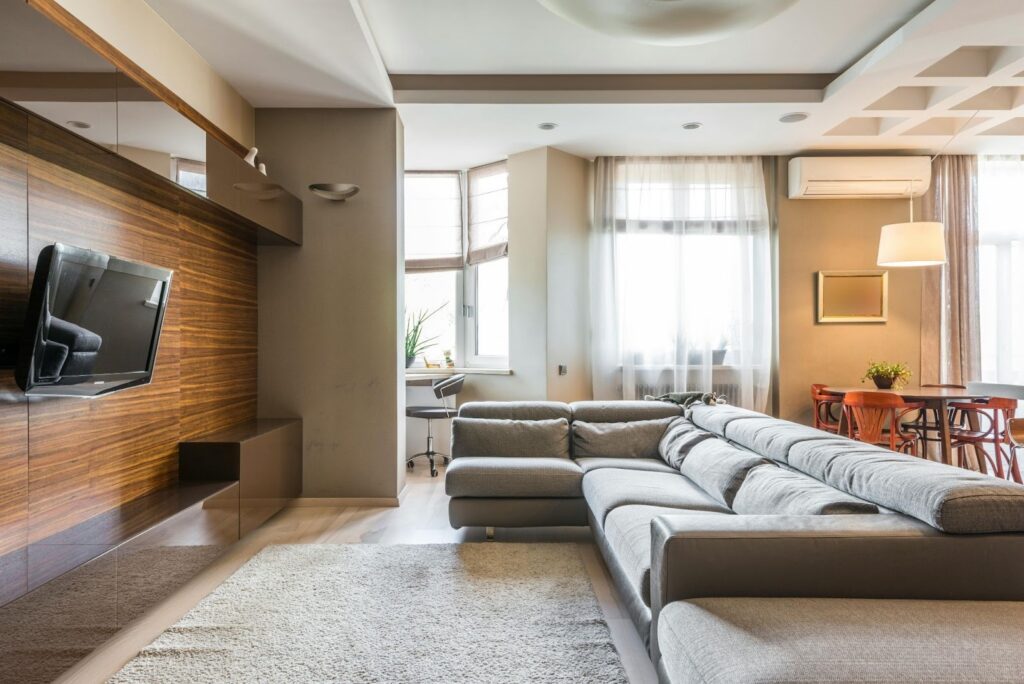
Running costs vary depending on the type of system, how many rooms you are cooling, and how the system is controlled. Some households only cool a single living area in the evenings. Others want whole-home cooling during summer, which typically requires a larger system.
Split systems are the most common residential cooling solution in New Zealand. They usually include one indoor unit and one outdoor unit, and they are designed to cool a specific area such as a bedroom, lounge, or open-plan living space.
Split systems are often chosen because they are:
Typical running costs can vary depending on capacity and conditions, but many households see costs roughly in the range of:
These numbers assume typical usage patterns, such as running cooling during the evening or overnight during warmer weather. If the system runs more hours per day, or if the home has poor insulation and high sun exposure, costs can be higher.
Ducted air conditioning systems cool multiple rooms through ceiling or floor vents connected to a central unit. These systems are often chosen for larger homes or households that want consistent cooling throughout the house rather than cooling one room at a time.
Because ducted systems serve larger areas, they generally consume more electricity than a single split system. However, modern ducted systems can still be efficient when properly designed, zoned, and installed. Zoning allows homeowners to cool only the rooms they are using, which can reduce unnecessary energy use.
Typical running costs for ducted systems may look like:
Ducted systems can offer significant comfort benefits, especially for families, multi-bedroom homes, or people who work from home and want stable temperatures across multiple rooms.
Even with the same type of system, two households can have very different running costs. That is because air conditioning performance is influenced by the home, the room, and how the system is used.
Room size is one of the biggest drivers of running costs. Larger rooms require more cooling power. High ceilings and open-plan areas can also increase the cooling load because there is more air volume to cool.
Layout matters too. A room with large windows, lots of afternoon sun, and multiple entry points may require more cooling than a similar-sized room with shade and fewer heat sources.
If a system is too small for the space, it may run continuously and still struggle to keep the room comfortable. If it is too large, it may cycle on and off more often than necessary. Correct sizing is one of the best ways to improve efficiency and comfort.
Insulation affects how quickly heat enters your home and how well cool air stays inside. Homes with poor insulation can warm up quickly, forcing the air conditioner to work harder and for longer periods.
Common problem areas include:
Improving insulation and sealing obvious air leaks can reduce cooling demand and help your air conditioning system operate more efficiently.
The hotter it is outside, the more work your air conditioner must do to remove heat from inside. Humidity can also make the room feel warmer and less comfortable, which can lead to longer cooling cycles.
On mild summer days, an air conditioner may reach the target temperature quickly and then operate at a lower output. During heatwaves, it may run at higher output for longer periods to maintain comfort.
Temperature settings have a direct effect on running costs. Setting the system much colder than needed increases the cooling load and can lead to higher electricity use.
A commonly recommended range for cooling is 22°C to 24°C, though comfort can vary by household. Some people prefer slightly higher settings, especially when using a fan to circulate air.
Usage habits matter too. Running the system in short bursts and letting the room heat up again can be less efficient than maintaining a steady temperature for several hours, particularly in well-insulated homes.
Older systems are often less efficient than modern inverter models. If a system is more than 10 to 15 years old, it may draw more electricity for the same cooling output, and it may struggle to maintain stable indoor temperatures in demanding conditions.
Upgrading can improve efficiency, reduce noise, and provide better control features, especially if your current system is no longer performing well.
For most households, air conditioning is more affordable to run than many people expect. A typical residential system used for several hours a day during summer may cost around $40 to $120 per month, depending on electricity prices, system size, and how often it is used.
Modern heat pumps are designed to be energy efficient and can provide both cooling in summer and heating in winter. When the system is correctly sized, installed properly, and used with sensible temperature settings, it can deliver reliable comfort without significantly increasing electricity bills.
Most residential air conditioning systems cost roughly $0.20 to $0.60 per hour to operate, depending on electricity prices, system size, and how hard the system needs to work.
For many homes, air conditioning is reasonably affordable. Monthly costs during summer are often around $40 to $120, depending on usage patterns and electricity rates.
A commonly recommended range for efficient cooling is 22°C to 24°C, although some households prefer slightly higher settings for comfort and lower running costs.
Yes. Ducted systems cool multiple rooms, so they typically use more electricity than a single split system, although zoning can help reduce costs by cooling only the rooms you are using.
A well-installed and properly maintained system can often last 10 to 15 years or longer, depending on usage, environment, and maintenance.
If you are considering installing or upgrading air conditioning in your home, getting the right advice can make a big difference. The team at Varcoe can help you choose a system that suits your space, budget, and comfort needs. Contact Varcoe to discuss your options and arrange professional installation or servicing for reliable, efficient heating and cooling.