Getting a heat pump installed, like most things HVAC-related, isn’t cheap. We’ll give it to you straight: the installation costs in Auckland will run anywhere from $2,000 for a basic single-room unit and up to $25,000+ for a whole-home ducted system. The cost for most homes will fall somewhere in-between this range.
We’ve installed over 12,000 systems since 1975, which gives us a pretty clear idea of what drives these numbers up and down. So here’s our honest assessment of everything.

When you’re given the final bill for an installation job, you’ll typically find three items on the receipt: the unit itself, the labor to get it installed properly, and any extra work that has to be done for the system to work in your home.
The latter is where things can vary wildly. A straightforward single-room installation where everything lines up takes maybe 3-4 hours. But for a complex setup with electrical work, condensation pumping, or difficult wall access? Different story altogether.
| System Type | Typical Installed Cost | What’s Included | Why the Cost Varies | Key Benefit |
| Single-room (Single-zone) | $2,000–$4,000 | One wall-mounted unit (e.g., Mitsubishi, Daikin, or Panasonic) plus standard installation | Unit cost + labor for drilling, piping, and electrical work | Affordable, efficient heating/cooling for one room |
| Multi-room (Multi-zone) | $4,000–$7,000 | Multiple indoor units connected to one outdoor unit | More piping, more electrical connections, longer install time | Independent temperature control for different zones |
| Ducted whole-home | $8,000–$15,000 (up to $25,000 for large/complex homes) | Central ducted system throughout the house | Extensive ductwork, higher material and labor costs (especially if ducts don’t exist) | Consistent, whole-home climate control |
How your house is laid out has a bigger impact on price than most people expect. The easier it is to place and connect the heat pumps, the lower the installation cost is going to be.
The brand you choose affects upfront cost, long-term efficiency, and reliability. You’re mostly paying for performance and peace of mind (through warranty programmes).
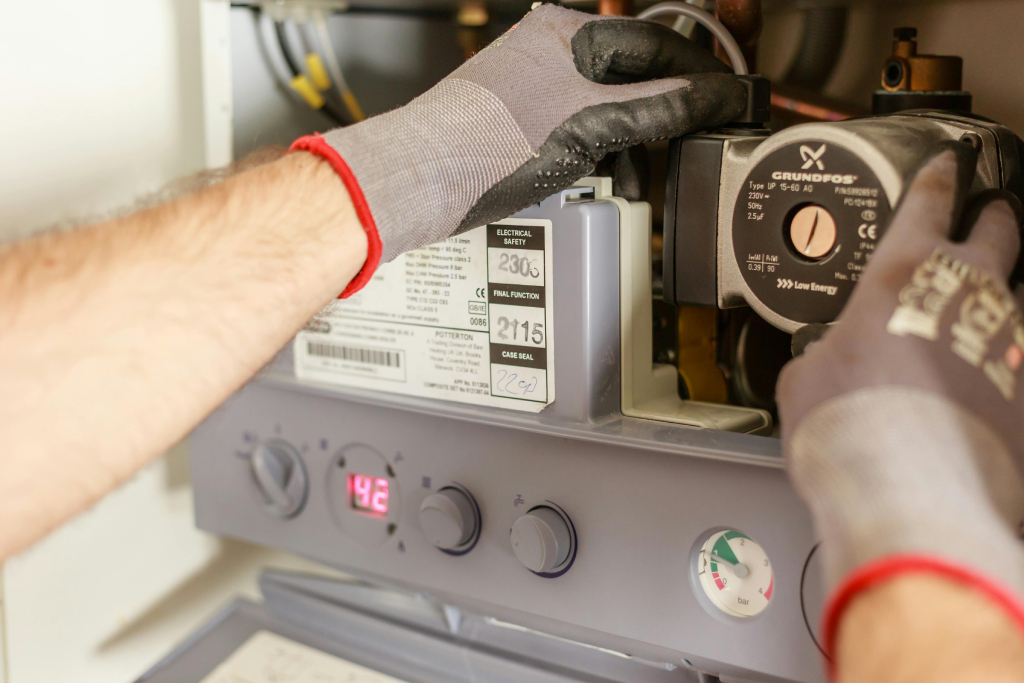
Proper electrical work is absolutely essential. Other than ensuring that the unit you just spent thousands on installation runs smoothly, it’ll protect you from safety issues down the line, as well.
For ducted systems, this is one of the biggest cost variables. Having usable ducting already in place can dramatically reduce the total price.
There’s a real difference between a $800 installation and a $1,700 one. The cheaper quote might mean the installer is cutting corners – maybe they aren’t properly brazing the copper connections, maybe they’re rushing through the electrical work, or maybe they’re not testing the system thoroughly before they leave. Such systems (and we’ve seen this firsthand) often fail within a year or two.
This is especially true if your installer isn’t a refrigeration engineer with an electrical ticket. Some electricians do installs, but the best outcomes come from installers who understand both the refrigeration side and the electrical requirements. That expertise costs a bit more upfront but saves you headaches later.
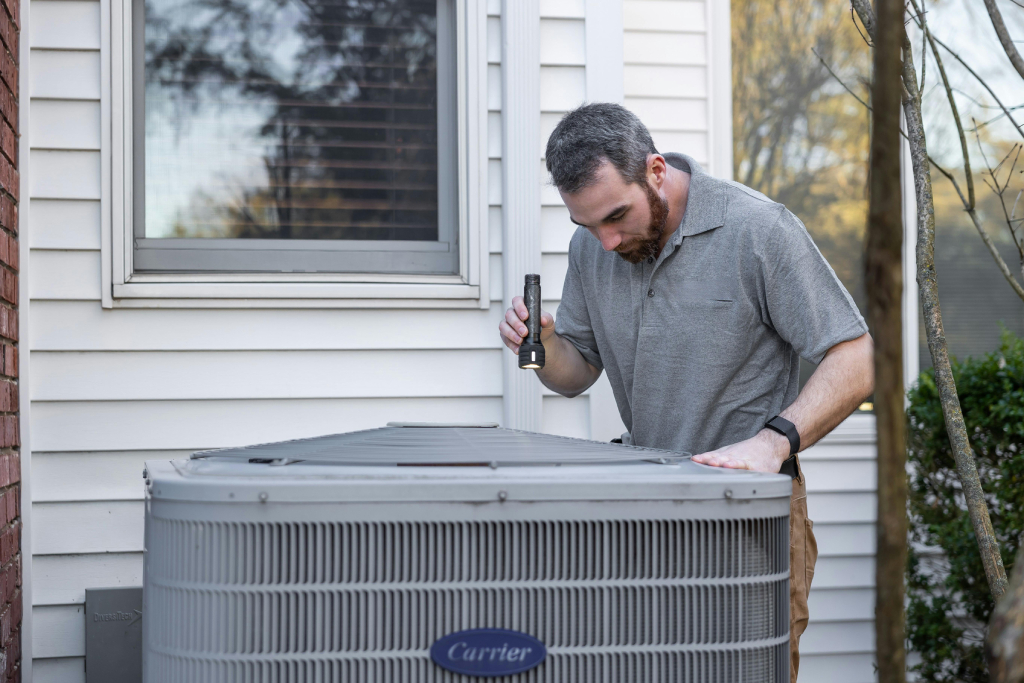
When you’re comparing quotes, ask for a breakdown. What’s included in the price? Does it cover the new circuit installation? Are they handling the condensation drainage? Will they remove your old unit if you’re replacing something?
Most installers in Auckland will charge between $1,500–$3,000 just for labor on a standard installation, depending on complexity. The unit itself varies by brand and capacity. Get three quotes from licensed, qualified installers and compare apples to apples – you’ll want to focus on what’s included in each installer’s package and not just the price alone.
Yes, you’re spending $3,000–$8,000 upfront for most systems. But a modern heat pump runs on about a third of the power that old electric heating or oil heaters need. Over 15+ years (the typical lifespan), that efficiency translates into serious power bill savings. Many people tell us their heat pumps pay for themselves in 5–7 years through reduced heating costs alone.
If you’re eligible for the Warmer Kiwi Homes scheme, you might even be qualified for a subsidy!
A straightforward single-room installation typically takes 3-4 hours. Multi-zone and ducted systems can take anywhere from one to three days, depending on complexity, existing ductwork, and electrical work required. Our team will give you a realistic timeframe during your free site visit.
Most standard single-room and multi-zone heat pump installations don’t require building consent. However, major ducted systems or installations involving significant structural changes may need it. We’ll check the requirements for your specific situation and handle all necessary paperwork – it’s part of ensuring your installation meets current building standards.
We’d strongly advise against it. Heat pump installation involves refrigeration work, electrical connections, and system commissioning that require licensed qualifications. Poor installation can lead to system failure, safety hazards, and voided warranties. The upfront savings aren’t worth the risks or the costly repairs down the line.
Heat pumps move warmth rather than generate it, making them far more efficient than electric heaters or oil systems. Most people use about a third of the power they previously did for heating, translating to significant savings over time. Many of our customers report their systems pay for themselves in 5-7 years through reduced heating costs alone.
Yes. If you qualify for the Warmer Kiwi Homes scheme, you may be eligible for a subsidy that can significantly reduce your out-of-pocket costs. We can discuss your eligibility during your free site assessment and help you understand what support you might access.
Varcoe has been doing this for over 50 years across Auckland. We’ll come assess your home, explain exactly what your installation needs, and give you a transparent quote. No surprises. No upsells. Just honest advice on what makes sense for your space.Give us a call on 0800 088 888 or reach out at info@varcoe.co.nz to book a free site visit and quote.