



Auckland Wide

Best Heat Pump Brands Available in New Zealand

Heat pumps are a popular choice for heating and cooling homes across New Zealand, and for good reason. They suit our generally mild climate, help manage humidity in many regions, and use far less energy than older heating options. As electricity costs continue to rise, the heat pump you choose can have a noticeable impact on day-to-day comfort, reliability, and long-term running costs.

Understanding how heat pumps work, what really matters when comparing models, and which brands consistently perform well in New Zealand homes makes it much easier to choose a system that suits your space and lifestyle.

Red and black Mitsubishi electric logo
Blue and dark blue Daikin logo
Blue Panasonic logo

How a Heat Pump Works

A heat pump is a heating and cooling system that moves heat rather than creating it. This is what makes it far more energy efficient than traditional electric heaters.

In heating mode, the system absorbs heat from the outside air and transfers it indoors. Even in cold weather, outdoor air still contains usable heat energy. In cooling mode, the process is reversed and heat is removed from inside the home and released outdoors.

A standard heat pump system consists of four main components:

  • The evaporator absorbs heat from the outside air and converts the refrigerant into a low-pressure gas.
  • The compressor increases the temperature and pressure of that gas.
  • The condenser releases heat into the indoor space and turns the gas back into a liquid.
  • The expansion valve reduces pressure so the cycle can repeat.

This continuous cycle allows heat pumps to maintain a stable indoor temperature year round using relatively little electricity.

Why Heat Pumps Are Well Suited to New Zealand Homes

New Zealand’s climate makes heat pumps one of the most efficient heating and cooling options available.
They work particularly well because winters are generally moderate, extreme cold is rare, and many homes require both heating in winter and cooling in summer.

Key advantages include:

  • High energy efficiency compared to resistive electric heaters
  • One system that provides both heating and cooling
  • Lower running costs over time
  • Reduced environmental impact compared to older heating systems

Because of these benefits, heat pumps are commonly recommended for compliance with Healthy Homes Standards and are widely installed in both owner-occupied homes and rentals.

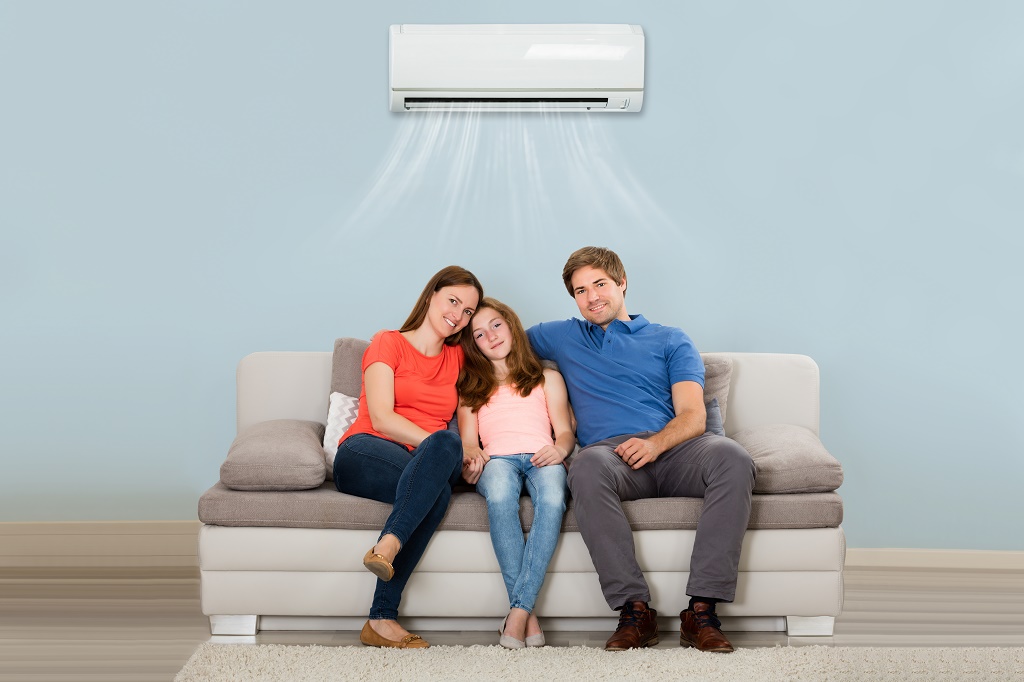
Family sitting on couch under a wall mounted heat pump.

What to Look for When Choosing a Heat Pump

Choosing a brand is important, but choosing the right system for your home matters just as much.

Correct Sizing and Capacity

A heat pump must be correctly sized for the room or area it is heating. An undersized system will struggle to maintain temperature and run constantly. An oversized system may short cycle, reducing efficiency and comfort.

Professional heat load calculations are the best way to determine the correct capacity.

Energy Efficiency Ratings

Energy efficiency varies between models. Higher star ratings generally indicate lower power consumption for the same output. Modern systems using R32 refrigerant are typically more efficient and environmentally friendly than older models

Performance in Local Climate Conditions

Some heat pumps perform better in cooler or damp conditions than others. This is especially important in southern regions or coastal areas with high humidity.

Noise Levels

Indoor and outdoor unit noise can affect comfort, particularly in bedrooms or smaller homes. Many modern heat pumps are designed to operate very quietly, but noise levels still vary between brands and models.

Features and Controls

Depending on the household, features such as WiFi control, programmable timers, air purification, or humidity management may be useful. These features should support comfort and efficiency rather than complicate operation.

Installation Quality and Support

Even the best heat pump will not perform well if it is poorly installed. Brand support, spare parts availability, and qualified installers all play a role in long-term performance.

Top Heat Pump Brands Available in New Zealand

Based on consistent performance, long-term reliability, and customer satisfaction, three brands are widely regarded as the leading heat pump brands in New Zealand.

Mitsubishi Electric logo symbolizing high-performance heating and cooling systems for homes and businesses.

Mitsubishi Electric Heat Pumps

Mitsubishi Electric is one of the most established and trusted heat pump brands in New Zealand. Their systems are known for reliability, quiet operation, and strong heating performance.

Mitsubishi Electric heat pumps are designed to operate efficiently in a wide range of conditions and are commonly installed in both residential and commercial environments.

Key strengths include consistent temperature control, durable components, and very low indoor noise levels. Many models are designed to maintain heating output even in colder temperatures, which is particularly valuable during winter nights.

Mitsubishi Electric systems are often priced higher than some alternatives, but they are widely regarded as a long-term investment due to their reliability and lifespan.

Blue and dark blue Daikin logo

Daikin Heat Pumps

Daikin is a global leader in air conditioning and heat pump technology and has a strong presence in New Zealand.

Daikin heat pumps are known for innovation, strong efficiency ratings, and a wide range of options suited to different home sizes and layouts.

One of Daikin’s strengths is its balance between performance and price. Many models offer advanced airflow control, intelligent sensors, and high efficiency without reaching the top end of the price spectrum.

Daikin also offers some of the most energy-efficient residential heat pumps available in New Zealand, making them a strong choice for homeowners focused on running costs and efficiency.

Panasonic logo - Trusted air conditioning brand

Panasonic Heat Pumps

Panasonic heat pumps are well regarded for offering reliable performance with a strong focus on comfort and indoor air quality.

Many Panasonic systems include features designed to improve airflow, reduce odours, and manage humidity. This makes them a popular option for households concerned about air quality or moisture.

Panasonic heat pumps are typically competitively priced and provide a good balance between features, efficiency, and cost. They are often chosen by homeowners looking for solid performance without unnecessary complexity.

Energy Efficiency and Real-World Performance

All three brands offer energy-efficient systems, but efficiency depends on both the model and how well it is matched to the space.

Daikin offers some of the highest efficiency residential systems available in New Zealand. Mitsubishi Electric EcoCore models are also known for strong heating efficiency and stable performance in cooler conditions. Panasonic systems combine good efficiency with comfort-focused features.

In real-world use, correct sizing and professional installation often have a greater impact on efficiency than brand choice alone.

After-Sales Support and Servicing

After-sales support is a key factor in long-term satisfaction.

Daikin

Daikin has a strong service network in New Zealand with good access to spare parts and technical support.

Mitsubishi

Mitsubishi Electric provides extensive service coverage, technical documentation, and long-term parts availability.

Panasonic

Panasonic places a strong emphasis on product testing and durability, supported by established service networks.

All three brands are well supported nationally, making servicing and repairs straightforward when required.

Customer Satisfaction and Brand Reputation

Initial cost is only part of the equation.

Daikin and Panasonic generally offer strong value at competitive price points. Mitsubishi Electric systems often cost more upfront but are widely regarded as delivering excellent long-term value due to durability and performance.

Lower running costs, fewer repairs, and longer system lifespan can offset a higher initial purchase price over time.

Choosing the Right Heat Pump for Your Home

Mitsubishi Electric, Daikin, and Panasonic are among the best heat pump brands available in New Zealand. Each brand offers reliable, energy-efficient systems designed to perform well in local conditions.

The best heat pump for your home depends on correct sizing, installation quality, climate, and how the system will be used day to day. Consulting an experienced installer ensures the system is matched to your home and delivers efficient, reliable comfort for years to come.

If you are considering a heat pump for your home, speaking with an experienced professional can help you choose the right system for your space and budget. Varcoe provides expert advice, installation, and ongoing support to ensure your heat pump performs reliably for years to come.

Get in touch with Varcoe to discuss your heating and cooling needs and arrange a consultation with a qualified technician.

Frequently Asked Questions

There is no single best heat pump brand for every home. Mitsubishi Electric, Daikin, and Panasonic are all widely regarded as reliable options in New Zealand. The best choice depends on factors such as room size, climate, budget, and how the system will be used.
Yes. Heat pumps are well suited to New Zealand’s generally mild climate and are one of the most energy-efficient ways to heat and cool a home. Their efficiency depends on correct sizing, installation quality, and how the system is operated.

A well-installed and properly maintained heat pump can typically last 10 to 15 years, and sometimes longer. Lifespan varies based on usage, environment, maintenance, and overall build quality.

Not necessarily. Higher-priced systems often offer quieter operation, advanced features, or longer expected lifespan, but a mid-range heat pump that is correctly sized and installed can still perform very well. Value depends on how well the system matches the home rather than price alone.
Yes. Installation has a major impact on efficiency, comfort, and reliability. Poor placement, incorrect sizing, or improper setup can reduce performance even in high-quality systems. Professional installation is essential for achieving expected results.