Installing air conditioning is one of the best ways to improve comfort in your home, especially during warmer months. However, while many homeowners focus on choosing the right system, the quality of installation is just as important.
A poorly installed air conditioning system can lead to ongoing problems such as uneven cooling, higher electricity bills, and unnecessary wear on the unit. These issues may not always be obvious immediately, but over time they can become costly to fix.
Understanding the most common air conditioning installation mistakes can help you avoid these problems and ensure your system performs efficiently from the beginning.
Selecting the correct system size is one of the most critical parts of air conditioning installation. Unfortunately, it is also one of the most common mistakes.
A system that is too small will struggle to cool the space effectively. It may run continuously without reaching the desired temperature, leading to higher energy consumption and unnecessary strain on the unit.
On the other hand, an oversized system may cool the room too quickly and shut off before properly dehumidifying the air. This can create an uncomfortable indoor environment and reduce overall efficiency.
Correct system sizing ensures the air conditioner can maintain a stable temperature without overworking. Professional installers assess key factors such as room size, insulation, ceiling height, and layout before recommending a system.
Working with experts in air conditioning installation ensures your system is properly matched to your home’s requirements.
Where your indoor unit is installed has a significant impact on how well your air conditioning performs.
Incorrect placement can result in uneven cooling, poor airflow, and uncomfortable hot and cold spots throughout the room.
Installing units too high, too close to obstacles, or directly facing seating areas can reduce comfort and efficiency. Airflow may not circulate properly, which forces the system to work harder to maintain temperature.
Experienced installers carefully position indoor units to maximise airflow and ensure even distribution of cool air. This improves both comfort and efficiency while reducing strain on the system.
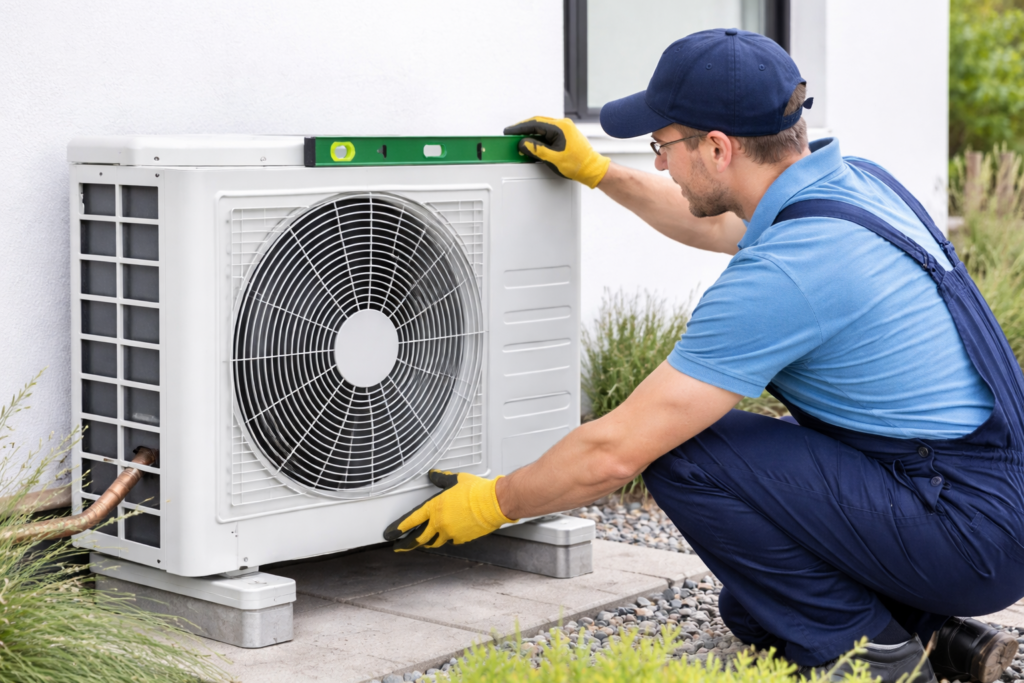
The outdoor unit plays a crucial role in removing heat from your home. It is responsible for releasing the heat that has been extracted from indoor air, and its performance directly impacts how efficiently the entire system operates.
If the outdoor unit is not installed correctly, it can restrict heat transfer, forcing the system to work harder than necessary. Over time, this leads to reduced efficiency, higher energy costs, and increased wear on system components.
Placing the outdoor unit in a confined or poorly ventilated area is one of the most common mistakes. When airflow around the unit is restricted, heat cannot dissipate effectively, which reduces cooling performance.
Units installed too close to walls, fences, or other obstructions can struggle to release heat properly. Similarly, placing the unit in direct sunlight without any shading can increase operating temperatures and reduce efficiency.
Debris such as leaves, dirt, or nearby vegetation can also block airflow and impact long-term performance if not managed properly.
Professional installation ensures the outdoor unit has sufficient clearance on all sides for proper airflow and ventilation. Installers also consider positioning in shaded or well-ventilated areas where possible.
Correct placement allows the system to release heat efficiently, which improves performance, reduces strain on the compressor, and helps maintain consistent cooling inside the home.
Air conditioning systems depend on balanced airflow to distribute cool air evenly throughout a space. Without proper planning, even a powerful system may fail to maintain consistent temperatures across different areas of the home.
Poor airflow design can lead to discomfort, inefficiency, and unnecessary system strain.
When airflow is restricted or uneven, certain areas of the home may feel significantly warmer than others. This often happens when vents are blocked, rooms are poorly laid out for airflow, or the indoor unit is positioned incorrectly.
As a result, the system must run longer to try to compensate, increasing energy consumption and reducing efficiency. Over time, this can also lead to higher operating costs and unnecessary wear on the system.
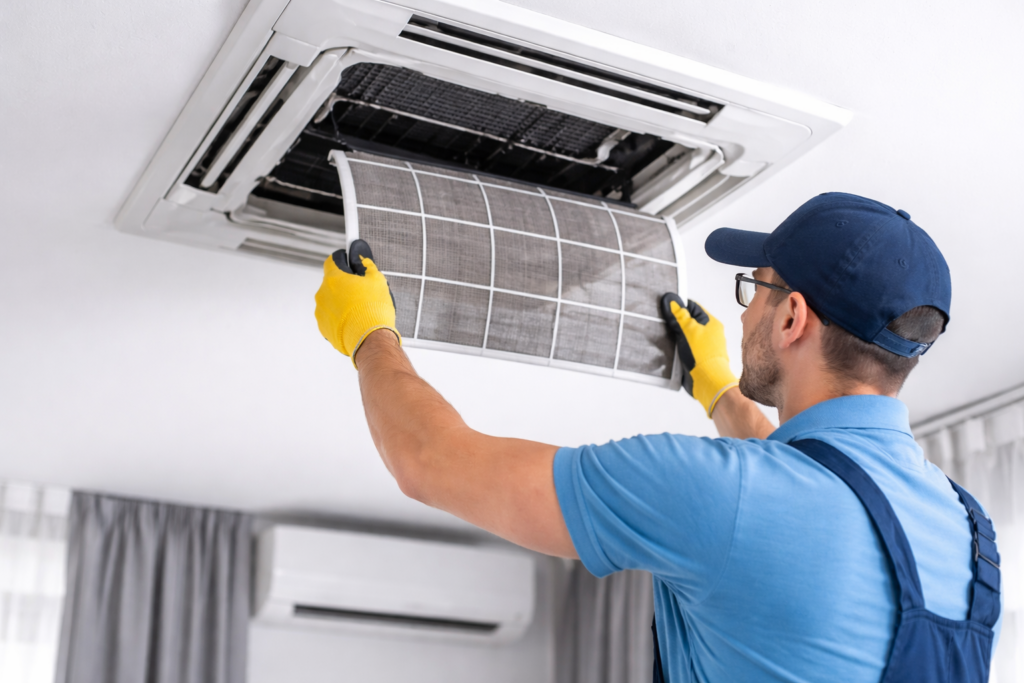
Professional installers take airflow into account when designing the system layout. This includes positioning indoor units where air can circulate freely and ensuring vents are not obstructed by furniture or structural elements.
Balanced airflow ensures consistent cooling, improves comfort across all areas of the home, and allows the system to operate more efficiently without overworking.
Attempting to reduce costs by choosing inexperienced installers or attempting a DIY installation can lead to serious long-term problems. Air conditioning systems are complex and require technical expertise to install correctly.
Even small mistakes during installation can affect system performance, safety, and lifespan.
Air conditioning systems involve electrical work, refrigerant handling, and precise configuration. Incorrect installation can lead to poor cooling performance, system faults, and even safety risks if components are not handled properly.
Working with professionals ensures your system is installed correctly from the beginning. Experienced installers understand how to size, position, and configure the system to match your home’s requirements, helping you avoid costly issues later.
Refrigerant is essential for the cooling process, as it absorbs and releases heat within the system. If refrigerant levels are not set correctly during installation, the system cannot operate efficiently.
This is a technical aspect of installation that requires precision and expertise.
Too little refrigerant can prevent the system from cooling effectively, while too much can place unnecessary pressure on system components. Both situations reduce efficiency and can lead to long-term damage.
Incorrect refrigerant levels often cause the system to run longer than necessary, increasing energy consumption and reducing overall performance.
Certified installers measure and adjust refrigerant levels according to manufacturer specifications. This ensures the system operates efficiently, maintains proper cooling capacity, and avoids unnecessary strain on components.
Even a properly installed air conditioning system can struggle if the home itself is not optimised for cooling. The building’s insulation and overall structure play a major role in how well cool air is retained.
Homes with poor insulation allow cool air to escape quickly, forcing the system to run longer to maintain the desired temperature. This increases energy usage and reduces overall efficiency.
Large windows, unsealed gaps, and lack of shading can also allow heat to enter the home, making it more difficult for the system to maintain comfortable conditions.
Simple improvements can make a significant difference. Sealing gaps around doors and windows, using curtains or blinds to block direct sunlight, and improving insulation can reduce the workload on your air conditioning system.
These adjustments help maintain indoor temperatures more effectively and improve overall system efficiency.
A professional installation should always include thorough system testing to confirm that everything is working correctly. Skipping this step can leave underlying issues undetected.
Proper testing ensures the system is:
Testing also helps identify any issues with airflow, configuration, or performance before they become more serious.
Without proper testing, small problems may go unnoticed and gradually worsen over time. This can lead to reduced efficiency, higher energy costs, and potential system failures.
Installation is only the first step in maintaining an efficient air conditioning system. Without regular maintenance, performance can decline over time.
Dust, dirt, and general wear can reduce airflow and system efficiency. Filters can become clogged, and components may not operate as effectively as they should.
Regular servicing helps keep the system clean, ensures all components are functioning properly, and reduces the risk of unexpected breakdowns.
Routine air conditioning servicing ensures your system continues operating efficiently, maintains consistent cooling, and extends its lifespan.
While it may be tempting to choose the lowest-cost installation option, this often leads to higher expenses in the long run. Poor installation quality can result in ongoing performance issues and increased maintenance costs.
Low-quality installation can lead to:
These issues often outweigh any initial savings.
Choosing experienced professionals ensures the system is installed correctly and performs reliably. High-quality installation provides better long-term value, improved efficiency, and fewer issues over time.
Avoiding costly air conditioning installation mistakes starts with working with experienced professionals who understand how to properly design and install systems for long-term performance.
Air conditioning installation is not just about setting up a unit. It directly affects how efficiently your system operates, how comfortable your home feels, and how much you spend on energy over time. Mistakes such as incorrect sizing, poor placement, and inadequate airflow planning can lead to ongoing issues and higher costs.
The team at Varcoe provide expert installation services, ensuring systems are correctly sized, positioned, and configured for optimal performance. Their experience helps homeowners avoid common pitfalls and achieve efficient, reliable cooling from the start.
By investing in professional installation, you can ensure your air conditioning system delivers consistent comfort, lower energy costs, and long-term reliability.
If you are planning a new system or upgrading your existing one, contact the Varcoe team today to get expert guidance and ensure your air conditioning system is installed the right way from day one.
Incorrect system sizing is one of the most common mistakes and can lead to poor performance and higher energy costs.
Yes. Proper installation is essential for airflow, energy efficiency, and long-term system performance.
A poorly installed system often works harder than necessary, which increases electricity consumption and running costs.
Signs of proper installation include consistent cooling, even airflow, and the system reaching the set temperature efficiently.
Yes. Professional installers ensure the system is installed safely, correctly configured, and optimised for your home.