HVAC stands for Heating, Ventilation, and Air Conditioning. Basically it’s the system that keeps your home at a decent temperature without you dying of heat stroke in summer or freezing in winter.At Varcoe, we’ve installed over 12,000 HVAC systems across Auckland since 1975, so we’ve seen how these systems work in real New Zealand homes and what actually matters for our climate.
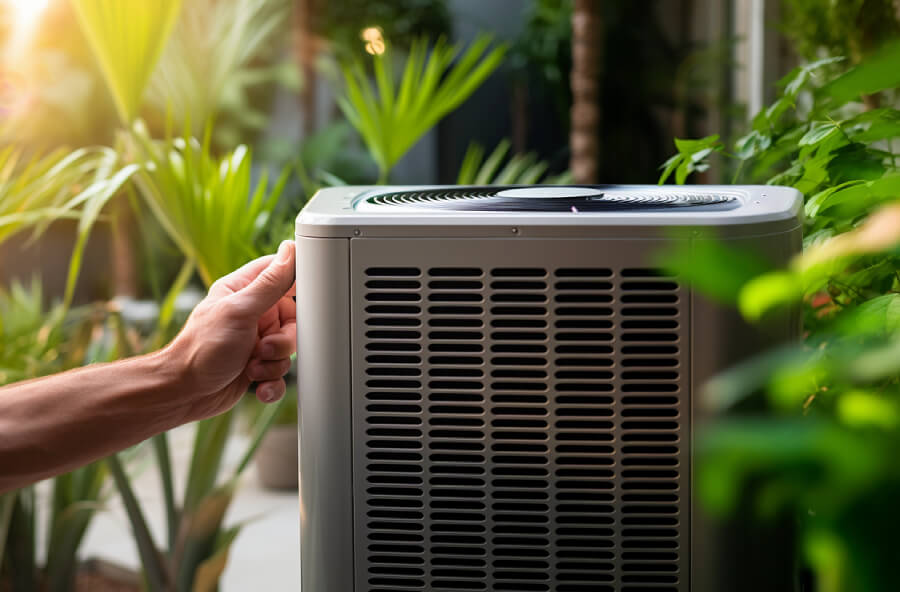
People often treat heating, cooling, and ventilation like three separate things that happen to live in the same house. They’re not – it’s all one integrated system. Your heating side handles cold months, cooling deals with hot months, and ventilation keeps fresh air moving through. They all need each other to work properly.
You need warm air in winter. It used to be everyone had a furnace burning gas or oil in their garage. Auckland’s moved away from that approach. Most installations we do now use heat pumps instead, which handle both heating and cooling in one unit. Less clutter, simpler to maintain, and it makes sense for our climate.
This confuses people. You’re not actually making cold. What happens is an air conditioner takes heat and humidity out of your indoor air using refrigerant in coils. That heat goes outside. Colder air comes back in. Understanding this actually helps explain why your AC doesn’t work well when it’s already 40 degrees outside.
Nobody cares about this until their house starts to feel stuffy. According to the NZ Ministry of Business, Innovation & Employment, keeping your house well-ventilated is important for your family’s health: poor ventilation means moisture, pollutants, and germs stick around the house.
Houses used to leak air naturally through gaps, cracks, and spaces around windows. Modern homes are built tight, which is good for power bills but means you actually need a proper ventilation system that mechanically draws fresh air in and pushes stale air out.
Your thermostat basically tells everything what to do. Set it to 21 degrees and the system goes “right, let me heat or cool to get there.”
If it’s winter and your place drops below that, heating fires up. If it’s summer and temperature creeps above 21, cooling kicks in.
Air comes in from your rooms, gets pulled into a central unit where it’s filtered (removes dust, pet hair, whatever’s floating around), then either heated or cooled depending on what month it is. Then it goes back to your rooms through vents or ductwork.
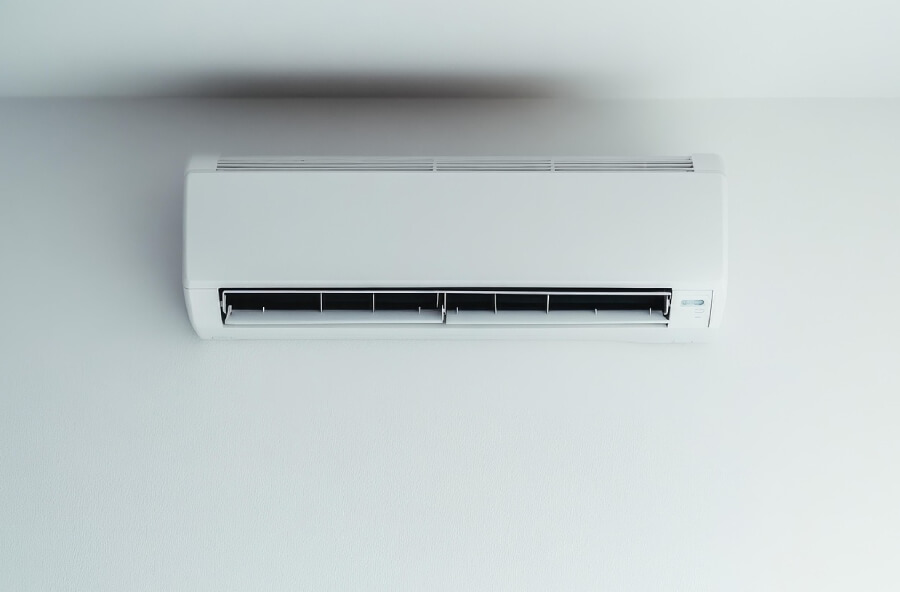
If you don’t have ducts running through your walls, you’ve got a ductless system. Individual units in different rooms, one outdoor box doing the work. Same idea, just without the massive network of pipes everywhere.
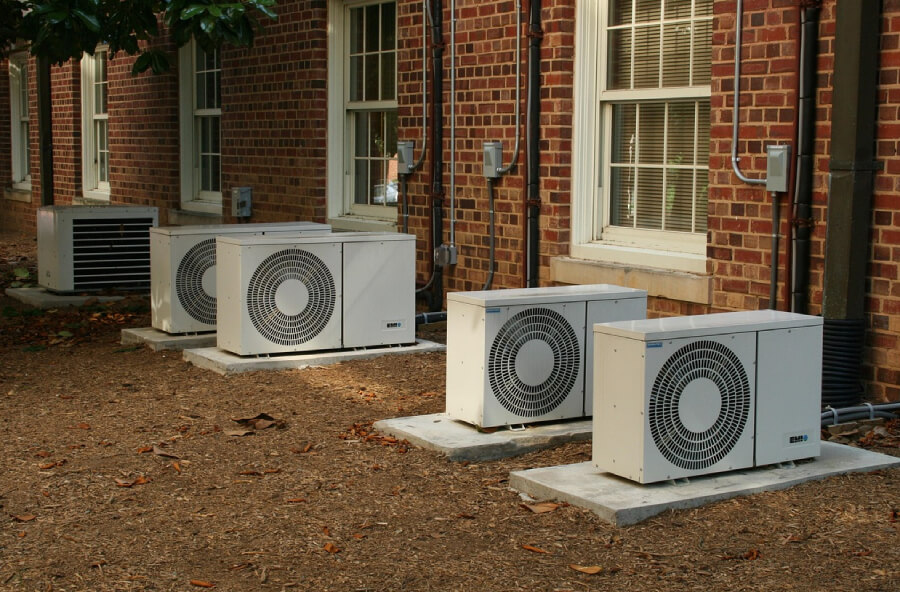
Traditional setups have a furnace sitting somewhere (garage, basement, attic), an outdoor AC unit, ducts running through your walls and ceilings with vents scattered around, and a thermostat on your wall.
Heat pump systems look similar. Outdoor unit, indoor air handler (basically a box on your wall or ceiling that moves air around). The whole thing connects to your electrical panel. Some older places still have gas lines if they’re running hybrid systems.
Ductless? Just an outdoor unit and individual indoor units in whichever rooms you want them. Cleaner looking, less invasive installation.
Why can’t they just put in the biggest unit available? It seems logical. Bigger means more cooling power, right? Wrong. Oversized systems actually perform worse. They cycle on and off constantly instead of running steady, which wastes power and leaves some rooms hot, others cold. The constant switching also wears components out faster.
Getting the right size for your actual space, your insulation, your Auckland location – that’s what makes it run efficiently and last longer.
HVAC systems last 15, maybe 20 years if you don’t completely ignore them. Basic maintenance: change your air filter every month or two. Keep the outdoor unit clear of leaves and rubbish. Have someone come check it once a year.
That clogged filter? We see it constantly. People wonder why their system’s running harder, power bill’s up, and performance has dropped. It’s the filter. That’s the most common issue and it’s the easiest fix.
Some people break something and think the whole system’s done. Not necessarily!
You can replace individual components. Cooling side dies but heating works fine? Sometimes you can just upgrade the cooling part. Depends on what else is connected and whether it’s compatible.
Hybrid systems exist if you want options. Gas and electric, pick whichever works better at the time. Ductless mini-splits if you can’t stand ductwork. Everyone’s situation is different.
It depends on what’s broken and how much the repair costs. If a minor component fails on a 12-year-old system, repair makes sense. If the compressor dies on a 17-year-old unit, replacement is often more economical – you’ll spend $400+ on the repair plus know other components are aging. We can advise whether repair or replacement makes financial sense for your specific situation.
Sometimes. If the components are compatible and properly sized to work together, you can upgrade one side. However, if they’re not compatible or if the age gap is too wide, the older component will struggle to work with the new one. A hybrid approach might work better. It depends entirely on what you already have installed.
Possibly, though filter is the #1 culprit. Other issues include: low refrigerant (indicates a leak), compressor struggling, frozen coils, or simply undersizing (the unit was never right for your space). These require professional diagnosis. A clogged filter is a five-minute fix, so start there first.
Ductless systems avoid energy loss through ductwork, which is real – ducts can leak 20-30% of conditioned air. However, a well-maintained ducted system still performs efficiently overall. Ductless wins on flexibility (heat/cool individual zones) and installation ease in older homes. Both can be efficient with proper sizing and maintenance. It’s more about what works for your home’s layout.
Modern hybrid systems automatically choose whichever is more efficient at that moment. Gas typically works better in very cold weather, while heat pumps are more efficient in moderate cold. You don’t usually need to manually switch – the system handles it. Check your manual or ask your installer if you want to optimize for specific seasons.
HVAC is your home’s environmental system. It keeps you from sweating through summer and freezing through winter. Manages humidity so you’re not breathing thick sticky air or dust. All the parts have to work together. One thing breaks and the whole setup suffers.
If you’re wondering what your home actually needs or whether you should upgrade, ring us on 0800 088 888. We’ll talk you through what you’ve got and what might make sense, no pressure.